September 1, 2026
In this article, we will explore the major differences between two popular surface materials: quartz and granite. Understanding these physical and functional distinctions is essential for homeowners looking to make an informed decision for their kitchen or bathroom renovation. We will cover everything from material composition and design flexibility to long-term maintenance and installation costs. Both options have unique features and benefits that appeal to different household needs and stylistic preferences. By the end of this guide, you will have a comprehensive understanding of both surface options, enabling you to choose the best fit for your property.
1. Composition and Origin
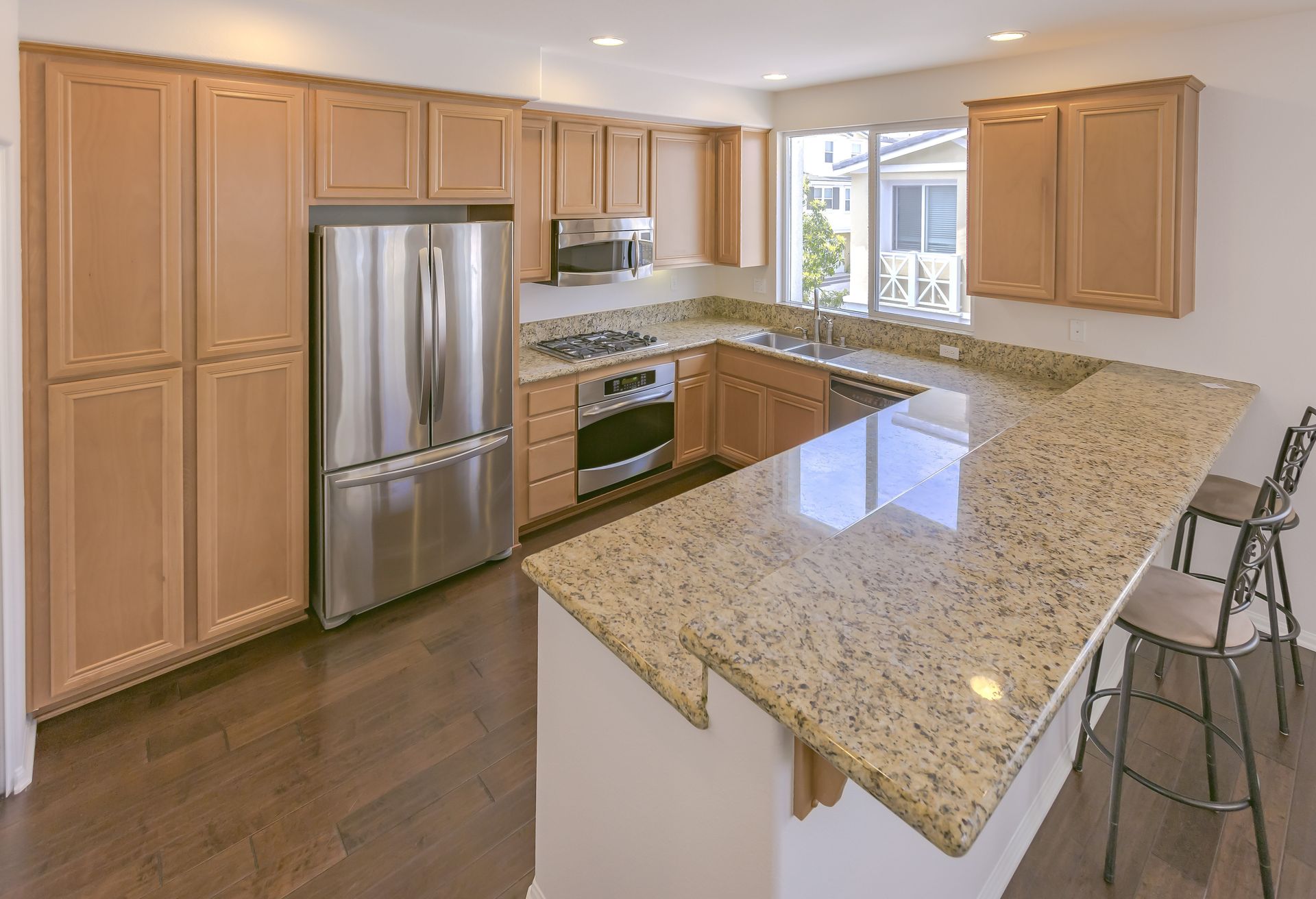
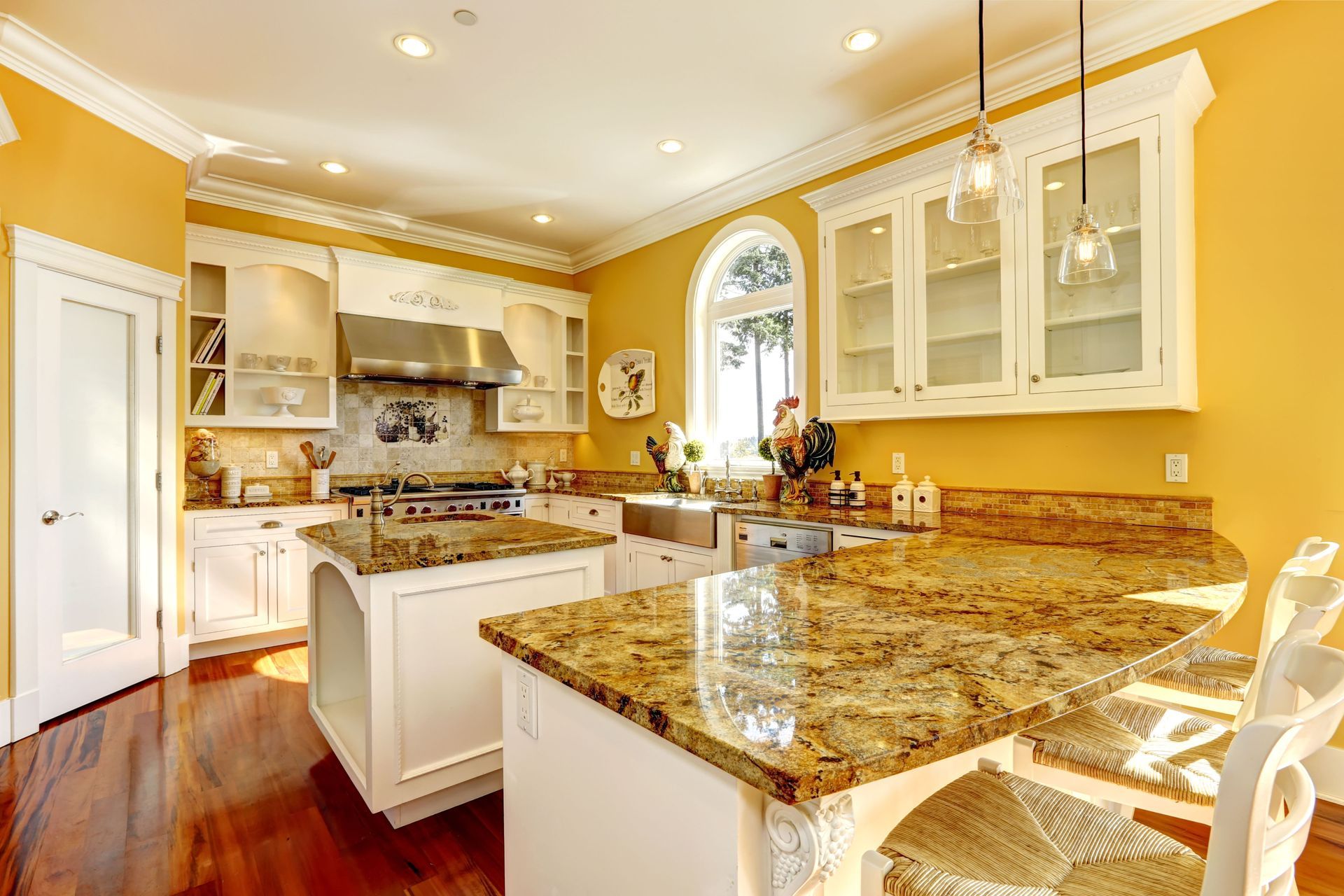
Granite is a natural stone directly sourced from global quarries and cut into slabs intended for various building applications. The natural formation of granite involves the slow crystallization of magma deep beneath the Earth's surface, leading to its dense, durable structure. On the other hand, quartz is an engineered surface composed of roughly 90 to 95 percent natural crushed quartz crystals combined with polymer resins and color pigments. This controlled manufacturing process gives quartz a consistent physical appearance and an extensive array of color options. Both materials offer distinct visual appeal, with granite providing natural elegance and quartz delivering engineered versatility.
The natural formation process of granite takes place over millions of years as molten rock slowly cools deep beneath the Earth's crust. This gradual process results in large mineral crystals that give granite its textured appearance. In contrast, engineered quartz mimics natural stone beauty through a controlled industrial process that mixes ground aggregate with binders and dyes. This manufacturing method allows for uniform color options while enhancing structural durability. By contrast, granite's unique patterns are entirely dictated by geological history, with each individual slab telling a distinct natural story.
Granite is composed of a diverse mixture of natural minerals, including quartz, mica, and feldspar, which contribute to its broad spectrum of organic colors and movement. Installing quartz countertops provides a more uniform alternative, as the inclusion of polymer resins minimizes natural surface fissures and structural imperfections. This manufactured aggregate blend results in a material that maintains consistent physical strength across every slab. The varied mineral diversity in natural granite ultimately influences its color, thermal tolerance, and light reflection.
2. Appearance and Design Options
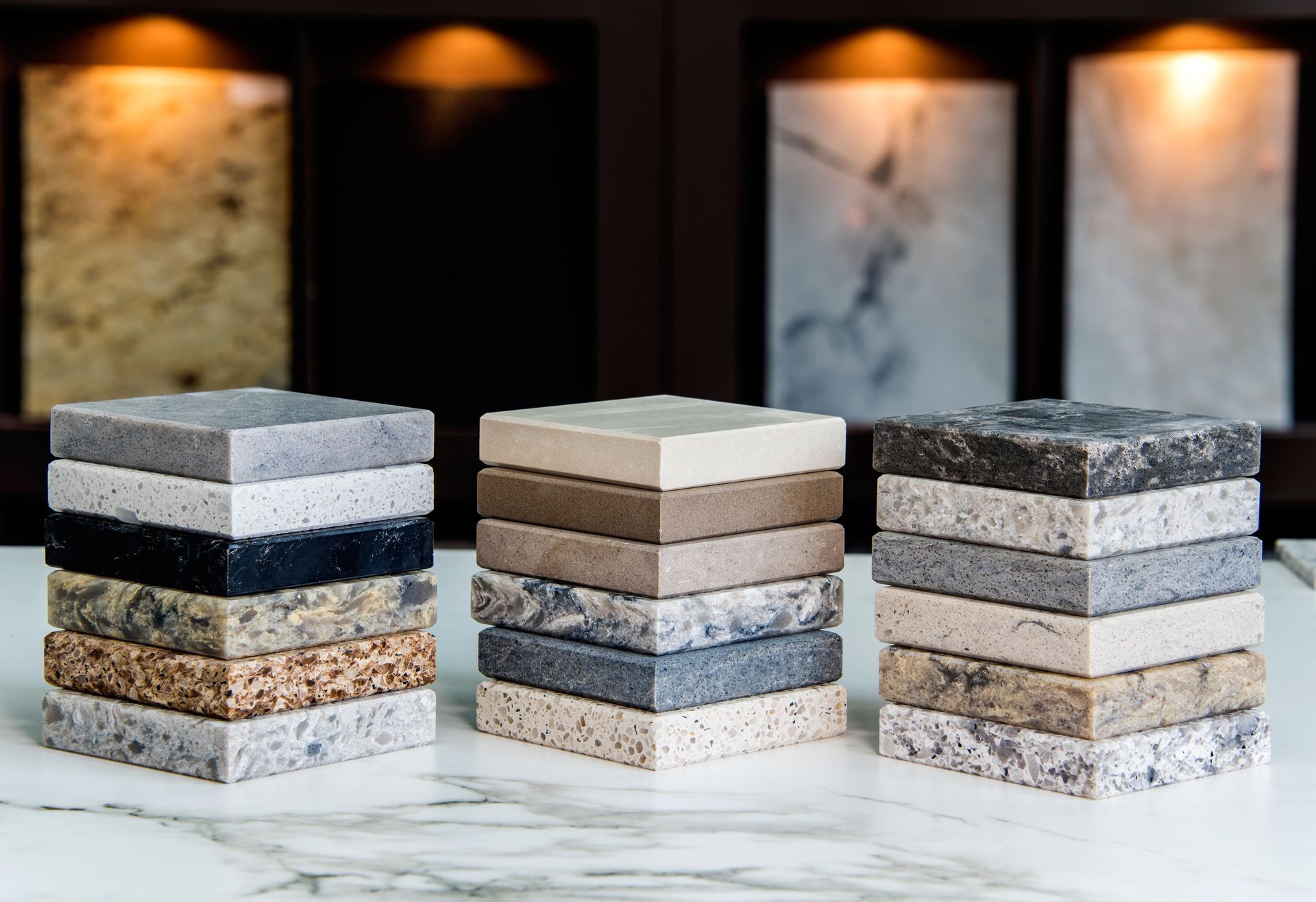
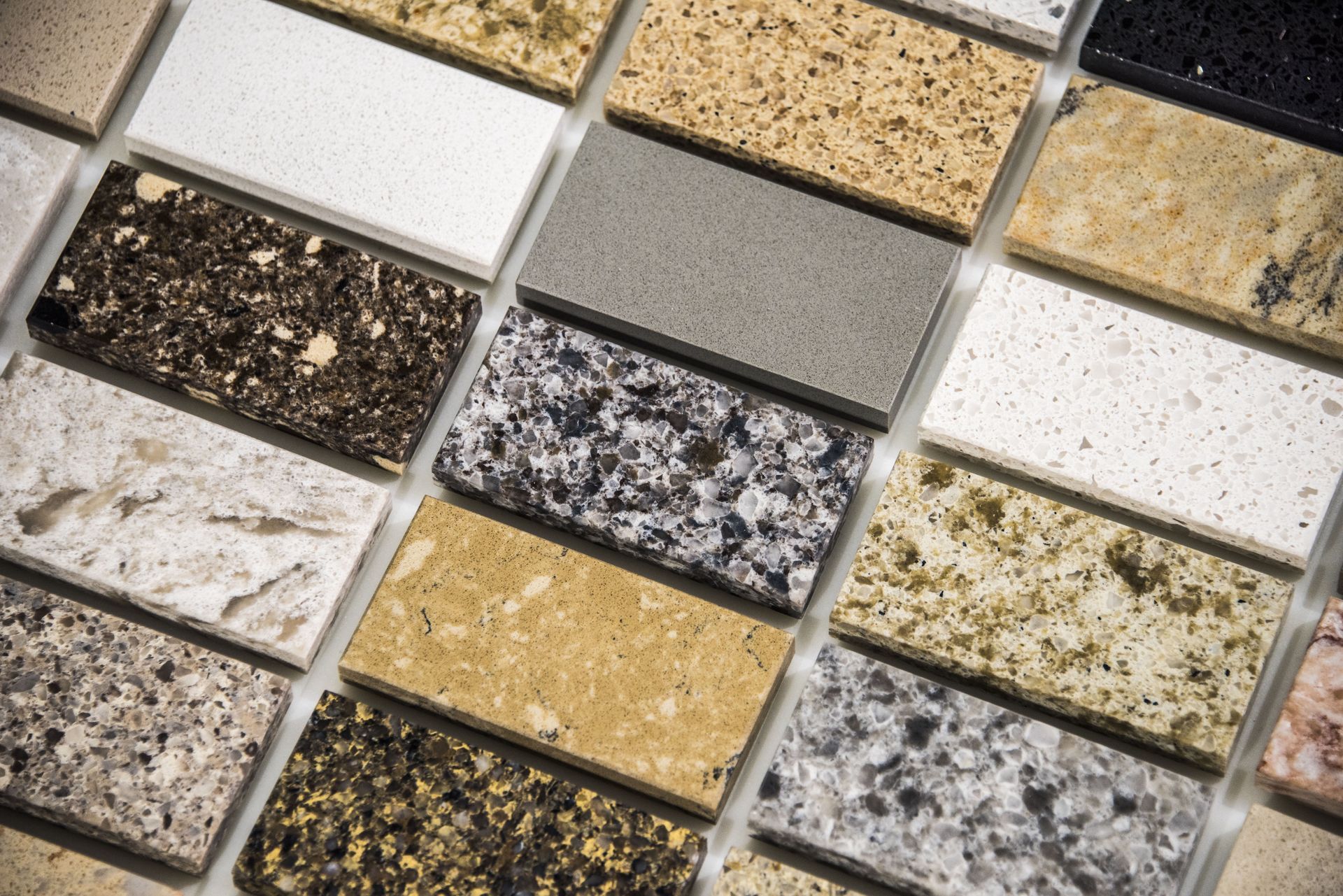
With modern industrial advancements, non-porous quartz countertops are manufactured in a vast spectrum of colors and patterns, ranging from solid minimalist tones to intricate veining. The precise addition of liquid pigments during production allows manufacturers to accommodate changing design trends easily. Granite, while naturally limited to earth-based minerals, presents an extraordinary array of rich colors sourced directly from international mountain ranges. According to Stone World, the global granite market is expected to be worth roughly $6.42 billion by the year 2033.
Granite's pattern variability is one of its most compelling visual features, with natural swirls, crystalline specks, and dramatic veining providing visual depth. Engineered options, while uniform due to factory production, reproduce these organic stone patterns with high precision. Advanced fabrication techniques allow manufacturers to replicate marble veining or speckled granite textures seamlessly. Consequently, both material choices offer extensive pattern variability to satisfy different architectural design goals.
3. Durability and Longevity
Physical durability is a critical consideration when choosing surface materials, with scratch resistance being a primary performance factor. Natural granite scores extremely high on the Mohs scale of mineral hardness, making it exceptionally resistant to scratches from everyday kitchen cutlery. Engineered quartz countertops also offer impressive scratch resistance, though the underlying resin binders make them slightly more vulnerable to surface scuffs than solid natural stone. While both materials withstand heavy daily usage, utilizing cutting boards is always recommended to preserve surface polish.
Natural granite easily withstands high thermal exposure due to its volcanic origin, making it safe for placing hot cookware directly onto the stone surface. In contrast, while quartz countertops exhibit moderate heat tolerance, the internal polymer resins can scorch or discolor under sudden extreme thermal shock, requiring the consistent use of protective trivets. This functional distinction should influence your selection based on daily cooking habits. Excessive heat exposure can permanently damage synthetic resin binders, whereas natural granite retains its original structural integrity under high temperatures.
Both material choices demonstrate impressive impact resistance, which is essential for busy residential kitchens prone to dropped items. Natural granite's extreme hardness makes it resistant to surface chipping under standard domestic conditions. Engineered options display exceptional impact absorption because the synthetic polymer binders provide subtle structural flexibility. This characteristic helps quartz countertops resist heavy impacts along exposed edges. While neither option is completely immune to physical damage, both materials offer superior structural longevity for demanding home environments.
4. Maintenance and Care
Routine maintenance is a significant factor when choosing materials, with quartz countertops widely praised for their user-friendly, low-maintenance properties. Because engineered surfaces are completely non-porous, they require no periodic liquid sealers and can be sanitized using mild soap and warm water. Natural granite features a porous cellular structure that requires periodic application of protective sealers to prevent fluid absorption and bacterial growth. Cleaning granite requires neutral pH products to preserve the protective surface seal.
Engineered quartz countertops excel in stain resistance because their non-porous resin construction prevents liquids, cooking oils, and acidic juices from penetrating the surface. This mechanical barrier simplifies daily cleanup and eliminates the need for aggressive chemical stain removers. Natural granite remains susceptible to staining if its protective sealant wears down over time. Applying quality impregnating sealers mitigates fluid absorption and preserves granite's pristine appearance.
5. Cost Implications and Trends
The initial purchase price of granite and engineered slabs varies depending on material rarity, slab thickness, design complexity, and regional market availability. High-grade natural granite slabs sourced from distant international quarries carry premium price tags due to extraction expenses. Manufactured options span a wide price spectrum; entry-level quartz countertops compare closely to mid-tier granite, while complex custom colors command higher investment levels.
Professional installation expenses represent a key component of the overall project cost for both material choices. Granite installation requires experienced stone masons and specialized lifting equipment due to the physical weight of natural slabs. Installing quartz countertops demands similar trade expertise to manage heavy materials and execute invisible seam placements. In both cases, hiring certified installers protects your material investment and guarantees structural integrity.
The ongoing expenses associated with surface care differ slightly over their functional lifespan. Selecting quartz countertops minimizes recurring maintenance costs because no ongoing sealing products or professional stone treatments are needed. Granite involves small ongoing expenses for stone-safe cleaners and periodic sealing supplies. Both options deliver an exceptional return on investment due to their durability, with long-term performance justifying the initial financial outlay.
Choosing between granite and engineered slabs requires careful evaluation of visual characteristics, functional performance, maintenance obligations, and financial budgets. By comparing material composition, physical durability, and long-term care needs, property owners can confidently choose the ideal surface for their home. Both choices offer exceptional durability, physical strength, and lasting real estate value. Whether you favor the unique beauty of natural stone or the consistent performance of engineered surfaces, your investment will transform your space. When you are ready to choose premium materials for your next project, trust the experienced team at Global Granite MA to guide you from slab selection to flawless installation.